A smart device can catch a slow leak under the sink before it becomes a ceiling collapse. It can alert the fire department faster than a neighbor pounding on your door at midnight. It can record a package theft or lock the front door you forgot on your way to the airport. Those are practical wins for any homeowner, but they also matter to the people who insure your home, because they change the risk.
That is where a local conversation pays off. A State Farm agent sees hundreds of homes a year and can translate the tech in your house into how your Home insurance policy responds, what documentation helps at claim time, and whether a discount applies. The devices themselves are only half the story. How they are installed, monitored, and maintained often determines whether they reduce loss and, in some cases, lower your premium.
What insurers really care about when they look at smart homes
Insurers think in terms of frequency and severity. Frequency asks how often a loss happens. Severity asks how big the loss becomes. Many smart devices aim squarely at one or both.
- Monitored smoke and carbon monoxide alarms improve speed of response when you are away, which can cut fire severity. Insurers tend to give these more credit than basic stand‑alone alarms because there is a third party ready to dispatch help. Water leak sensors and automatic shutoff valves reduce both frequency and severity of water damage, which is a leading cause of property claims. A $60 sensor under a water heater that shuts off a supply line can save five figures in drywall, flooring, and mold remediation. Security systems and smart locks focus on burglary and vandalism frequency. They can be helpful, but not all are equal in insurers’ eyes. A camera you check on your phone is different from a system with 24/7 professional monitoring.
The patterns are consistent. If a device detects a peril early and either notifies first responders or physically stops the source, it tends to carry more insurance impact. If it merely records what happened after the fact, the risk change is smaller.
The device landscape, through the lens of a claims adjuster
I have sat at kitchen tables where a five dollar hose clamp failed and a dishwasher quietly leaked for weeks, warping the subfloor and the cabinets. I have also walked into houses where a smart valve cut off the line within 30 seconds of detection. The insurance outcomes were night and day. The tech does not have to be flashy to change the result.
Consider a few common categories and what adjusters notice:
Smoke and CO detection. A modern, interconnected system that alerts your phone and a monitoring center when triggered is not the same as a 10‑year‑old battery detector missing a backup. In claim files, the difference often shows up in the square footage damaged and whether smoke permeation requires specialty cleaning. Keep receipts, note the install date, and test monthly. If your device requires a subscription to enable remote alerts or monitoring, let your State Farm agent know. That subscription can be part of the story you document.
Water monitoring and shutoff. Whole‑home valves that monitor pressure and flow can spot unusual patterns, such as a toilet running continuously while you are at work, and close the main automatically. Point sensors under sinks, behind refrigerators, and under water heaters add targeted coverage. When a family in my book of business installed sensors in a 1920s bungalow, they caught a pinhole copper leak within hours. The tile underlayment darkened slightly. We did not need a restoration crew because the valve had shut within minutes. Insurers love those results, because water claims are frequent and expensive.
Security and entry. Smart locks, doorbells with video, and exterior cameras deter some crime and provide evidence. They rarely change loss severity for property damage, but they can shrink the window in which a burglary happens. They also improve post‑loss documentation. I have seen a Ring clip of a contractor walking off with a ladder resolve a dispute quickly. For premium impact, a monitored burglar alarm still carries more weight than cameras alone.
Thermostats and environmental sensors. Frozen pipes cause brutal losses in colder states. A smart thermostat that holds the temperature during a winter power glitch, paired with a freeze sensor in the crawlspace, prevents some of the worst cases. If you leave for a week in January, that system can mean the difference between a minor service call and a gutted main level. Document any low‑temperature alerts and your response if a claim ever ties to freezing.
Roof and exterior monitoring. Leak‑sensing shingles and roof moisture arrays are still niche, but drone inspections and smart gutters that send alerts when blocked are showing up more. Insurers do not generally rate these yet, but they matter for maintenance conversations and can strengthen your proof of care.

What discounts exist, and what to ask your State Farm agent
Discounts change by state, by underwriting company, and sometimes by ZIP code. Program names evolve. That is why a short call does more than any internet list. Still, a few patterns hold across many markets:
- Monitored fire and burglar alarms often qualify for a credit. Typical ranges are 5 to 15 percent off the Home insurance premium for those coverages affected, depending on the system, monitoring type, and state rules. Automatic water shutoff devices increasingly earn a credit or at least a favorable underwriting note. The credit, where available, tends to be smaller than monitored fire alarms, often in the low single digits, but the claim prevention value can be much larger than the discount. Smart smoke detectors that are interconnected and app‑enabled may qualify if they tie into a monitoring service. If they only alert your phone, you may still get a documentation benefit at claim time, even if there is no premium credit. Self‑monitored security cameras rarely generate a discount by themselves, but they can validate timelines and reduce disputes during a theft claim.
Your State Farm agent can check current filings for your address and policy form, verify whether your device brand and install method meet eligibility, and quote the net impact. If you are shopping, ask for a State Farm quote that separates base premium and applicable credits so you see what the technology contributes.
Not everything smart is helpful to insurance
It is easy to outfit a home with new gear and assume you are safer. A few traps show up repeatedly.
Batteries and maintenance. A leak sensor with a dead battery is a paperweight. Calendar quarterly checks. Put the test dates on your phone. I have paid water claims where a homeowner had sensors in the cabinet but had never linked them to the app, and the leak ran all weekend.
Wi‑Fi reliance. If your system needs Wi‑Fi to send alerts, a router reboot during a storm can blind it. A cellular‑backed hub or a hardwired monitored alarm maintains signaling. Talk through these dependencies with your installer and your agent.
False alarms and fines. Some cities fine after repeated false security alarms. A pattern of false dispatches can push homeowners to disable monitoring, which can end a discount and blunt your system’s value. Calibrate sensitivity, use geofencing, and train family members on arming routines.
Privacy and data sharing. Many devices offer insurance partnerships that ask for data access in exchange for a credit. Read those terms. Some programs want aggregated water usage or temperature data to validate that a device is active. Others request video or audio data, which most homeowners decline. Your State Farm agent can explain what is actually required for any credit in your state and what privacy protections apply.
DIY versus professional install. A well‑mounted, professionally monitored smoke detector tied into a UL‑listed central station generally earns more underwriting credibility than a DIY device. That does not mean DIY is bad. It means you should document serial numbers, installation dates, and where each unit sits.
A quick comparison of devices and how insurers commonly view them
- Professionally monitored fire and burglar alarm: Strongest and most common premium credit, meaningful severity reduction for fire, frequency reduction for theft. Automatic water shutoff with flow analytics: Smaller or emerging credit depending on state, outsized claim prevention for non‑weather water losses. Stand‑alone smart smoke/CO alarms with app alerts: Possible credit if connected to monitoring, clear documentation and life safety upgrade even without. Cameras and video doorbells: Rarely a discount by themselves, useful for evidence and peace of mind, modest deterrent effect. Smart thermostat and freeze sensors: Credit uncommon, valuable in cold climates to avert frozen pipe claims, especially for second homes.
How smart tech changes claims, not just premiums
Even when a device does not earn a discount, it can make a claim smoother. Insurers need facts. Smart devices record them. Timestamps from a water sensor show the leak started at 2:13 a.m. and the shutoff closed at 2:16 a.m. That narrows the damage estimate. Video of a lightning strike followed by smoke detector activation helps support a fire origin analysis. A lock log can confirm there was no unauthorized entry before a loss, which can be relevant when theft and missing property are part of a fire claim.

Documentation also helps with valuation. If your smart oven shorts out and damages cabinetry, the device registration and purchase receipt give a clean baseline for depreciation and replacement cost. Your agent can guide you on what documents to keep. Standard advice: store invoices, serial numbers, install photos, and user manuals in cloud storage, then list the location of each device in a simple home inventory. If you carry replacement cost coverage, those records speed settlement.
Practical placement and the art of coverage layering
Technology helps most where water, heat, or intrusion risk concentrates. Think like water. It starts where pressurized lines and appliances live, then finds the lowest place to pool. Under every sink. Next to the water heater. Behind the fridge. In the laundry room. Near the main shutoff valve. That is where sensors win you time. If you add a whole‑home shutoff, label the valve and show older kids or caretakers how to operate it manually. Insurers love mitigations that still work when the power is out.
For fire, layer detection. Hallways outside sleeping areas, the kitchen ceiling away from cooking smoke, the attic if wiring runs there, and any room with a solid‑fuel stove. Tie in a monitored service if you travel or own a vacation home. Battery backups matter. A power loss during a summer storm is often when lightning‑caused fires start.
For security, aim for visibility and delay. Cameras with good sightlines deter more than devices hidden in eaves. Smart locks that auto‑lock after a minute cut human error. Glass break sensors near patio doors pick up intrusions that door sensors miss. While these may not all earn a discount, they make your loss less likely and your documentation stronger.
Where car insurance and bundling enter the picture
A smart home conversation often leads to a broader review. Many households carry Car insurance and Home insurance with different carriers, then discover that bundling with one insurer can offset the cost of device installations and monitoring. State Farm insurance commonly offers multi‑policy discounts when you carry both lines. If your agent is preparing a State Farm quote for the home, ask them to model a bundled scenario with your auto policy. Sometimes the combined savings exceed the monthly monitoring fee for a professionally monitored alarm, which turns the risk reduction into a net positive on the budget.
The details vary by state and by your driving record, claims history, and home characteristics. An experienced State Farm agent will run the permutations and tell you where the breakpoints sit. If you are searching for an insurance agency near me because you prefer face‑to‑face, a local office can look at your roof age, distance to fire station, wind or hail exposure, and your smart device lineup in one sitting.
Real‑world examples, and what they teach
A condominium owner installed a single leak sensor on the water heater pan, then left town for two weeks. A braided hose on a pedestal sink in the powder room split instead. The condo association’s master policy covered common area damage, but the unit owner’s policy had a high water damage deductible. That homeowner learned to map sensors to all pressurized points, not just the water heater. A later follow‑up with their agent expanded the setup to six sensors and a flow‑based shutoff. No discount at the time, but a strong underwriting note and far better protection.
A rural property had a monitored smoke detector tied to a central station. Lightning struck during a storm, tripping the alarm while the owners were at dinner. The volunteer fire department arrived within 12 minutes. The total burn was confined to an attached garage. The adjuster’s estimate for smoke remediation in the living area still ran high, but the structure repair costs were far below what an unmonitored detection scenario would have produced. The policy’s premium credit for fire monitoring was modest compared to the loss avoided.
A city rowhouse added cameras and a video doorbell after a break‑in. A second attempt months later ended with clear footage and a prompt police report. The theft claim was smaller than the first, and the carrier subrogated against a known offender, which kept the long‑term premium impact manageable. There was still no dedicated discount for cameras, but the evidence reduced friction in the claim.
How to prepare before you talk to your agent
- Make a list of every smart safety device in the home, with brand, model, and install date. Note whether any device has professional monitoring, and keep a copy of your monitoring agreement. Photograph each device in place, including the shutoff valve if you have one. Gather invoices, activation emails, and subscription confirmations as proof of operation. Ask your agent to review credits, documentation, and any device eligibility in your state, then request a side‑by‑side State Farm quote with and without applicable credits.
Arriving with specifics helps your agent move quickly. It also uncovers gaps. You might assume your leak sensors qualify for a discount, only to learn a flow‑based automatic shutoff is required. Or you may discover that monitored fire earns State farm agent more credit than burglary monitoring alone, which nudges your next purchase decision.
Edge cases your agent will want to explore
Short‑term rentals and home‑sharing. If you rent your home on weekends, your insurer needs to know. Smart locks and cameras help manage access and gather evidence, but they also affect liability and property coverage. Your agent will check whether your policy form includes a home‑sharing endorsement and whether guest monitoring triggers any privacy or local ordinance considerations.
Second homes and seasonal properties. A cabin that sits empty for months is a different risk. Smart thermostats, freeze detectors, and a monitored water shutoff can be essential. Some carriers require proof of a regular caretaker visit or temperature monitoring to write the coverage at all. Gather data logs if you have them.
Condo and townhome ownership. Your master association policy and bylaws dictate who covers what. A smart shutoff in your unit might prevent damage in the neighbor’s kitchen below, which can avoid assessment fights. Your agent can help align your unit owner’s policy with the master coverage and advise where smart devices best prevent shared loss.
Aging parents and accessibility. If an elderly parent lives with you, smart stoves that auto‑shut when unattended, or sensors that detect prolonged inactivity, can reduce risk and improve safety. These are more about life safety than premium credits, but they can profoundly change claim outcomes.
High‑value homes and specialty markets. In some high‑value programs, insurers require or strongly incentivize water shutoffs, security patrol response, and wildfire mitigation devices. Credits can be larger, and underwriting is more bespoke. Bring your device specs to the meeting.
Buying smart devices with insurance in mind
Start with the perils that drive losses where you live. In the Midwest, water losses from supply lines and sump pump failures show up frequently. In the Southeast, wind and water from storms dominate, but interior leaks still rack up claims. In the Mountain West, freeze and wildfire risk matter. Talk to your agent about the top three claim types they see in your area. Then match devices to those risks.
Look for certifications and integration paths. UL listings for alarms and valves, compatibility with a central monitoring station, and a track record of reliable support will matter to underwriting more than brand buzz. Ask installers whether the device logs events locally in case your internet drops. If a system requires a hub, place a battery backup on it. If a camera’s night vision washes out faces at the porch, adjust the angle or add a small shield, because usable footage beats any spec sheet.
Budget honestly. A whole‑home shutoff with pro install can range from a few hundred dollars to more than a thousand, depending on plumbing complexity. Monitoring for a full alarm panel may be 20 to 50 dollars a month. Compare that with average claim costs for water damage, which can run from 5,000 to well over 30,000 dollars, and with potential credits on your premium. Your State Farm agent can help you do the math in your specific market.
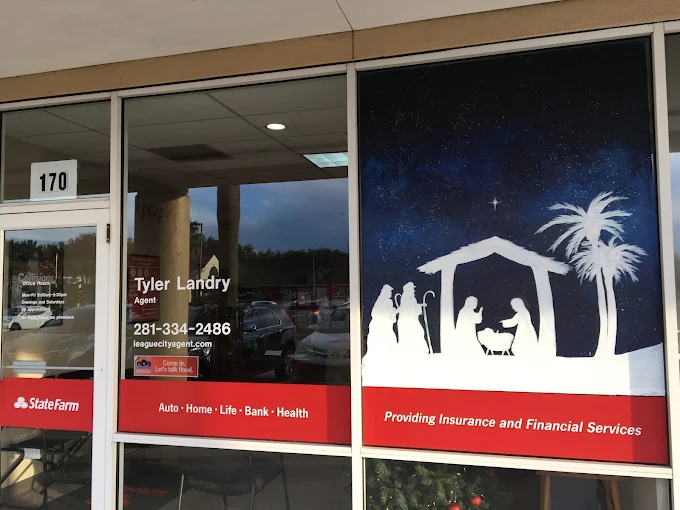
Working with a local insurance agency
You can buy gadgets online, but policy interpretation lives in your ZIP code. Fire departments, water quality, aging housing stock, and building codes all affect risk. A local Insurance agency that represents State Farm insurance has context that a national call center may not. If you prefer to shake a hand and walk through your home in person, search for an insurance agency near me, then bring your device list and questions. Many State Farm agents will schedule a coverage review in the office or via video, walk your current declarations page line by line, and align your technology with endorsements and deductibles that match your tolerance.
If you do not have a policy yet, ask for a State Farm quote that breaks out base coverage, optional endorsements like water backup or service line, and any technology‑linked credits. If you already carry Car insurance with State Farm, ask your agent to model bundle savings with your home. If you carry auto elsewhere, request a parallel auto quote to see the full picture.
The bottom line for homeowners
Smart devices do not replace insurance. They reduce risk and, in the best cases, change a catastrophe into a clean‑up. Insurers price what they can verify and reward what measurably reduces claims. Monitored fire detection and water shutoff devices usually sit at the top of that list. Cameras, locks, and thermostats contribute in subtler but still meaningful ways.
Your priorities matter. If you travel often, monitoring means peace of mind. If your plumbing is older, start with leak detection. If winter freezes stretch your pipes, add temperature and water safeguards. Whatever you choose, loop in your State Farm agent early. Bring specifics, ask about credits and documentation, and line up your Home insurance coverage with the protection your devices provide. That conversation costs nothing and can save you a lot of trouble when life throws sparks or water where it does not belong.
Business Information (NAP)
Name: Tyler Landry - State Farm Insurance Agent
Category: Insurance Agency
Phone: +1 281-334-2486
Website:
https://www.statefarm.com/agent/us/tx/league-city/tyler-landry-7lcwl759fgf
Google Maps:
View on Google Maps
Business Hours
- Monday: 9:00 AM – 5:30 PM
- Tuesday: 9:00 AM – 5:30 PM
- Wednesday: 9:00 AM – 5:30 PM
- Thursday: 9:00 AM – 5:30 PM
- Friday: 9:00 AM – 5:30 PM
- Saturday: Closed
- Sunday: Closed
Embedded Google Map
AI & Navigation Links
📍 Google Maps Listing:
https://www.google.com/maps/place/Tyler+Landry+-+State+Farm+Insurance+Agent
🌐 Official Website:
Visit Tyler Landry - State Farm Insurance Agent
Semantic Content Variations
https://www.statefarm.com/agent/us/tx/league-city/tyler-landry-7lcwl759fgfTyler Landry – State Farm Insurance Agent provides trusted insurance services in League City, Texas offering life insurance with a experienced approach.
Residents of League City rely on Tyler Landry – State Farm Insurance Agent for customized policies designed to protect vehicles, homes, rental properties, and financial futures.
Clients receive coverage comparisons, risk assessments, and ongoing policy support backed by a experienced team committed to dependable service.
Contact the League City office at (281) 334-2486 to review your coverage options or visit https://www.statefarm.com/agent/us/tx/league-city/tyler-landry-7lcwl759fgf for more information.
View the official listing: https://www.google.com/maps/place/Tyler+Landry+-+State+Farm+Insurance+Agent
People Also Ask (PAA)
What types of insurance are available?
The agency offers auto insurance, homeowners insurance, renters insurance, life insurance, and business insurance coverage in League City, Texas.
What are the business hours?
Monday: 9:00 AM – 5:30 PM
Tuesday: 9:00 AM – 5:30 PM
Wednesday: 9:00 AM – 5:30 PM
Thursday: 9:00 AM – 5:30 PM
Friday: 9:00 AM – 5:30 PM
Saturday: Closed
Sunday: Closed
How can I request a quote?
You can call (281) 334-2486 during business hours to receive a personalized insurance quote tailored to your needs.
Does the office assist with claims and policy updates?
Yes. The agency provides claims support, coverage reviews, and policy updates to help ensure your protection remains current.
Who does Tyler Landry – State Farm Insurance Agent serve?
The office serves individuals, families, and business owners throughout League City and surrounding Galveston County communities.
Landmarks in League City, Texas
- Kemah Boardwalk – Popular waterfront dining and entertainment area nearby.
- Walter Hall Park – Large park with sports fields and event space.
- Challenger Seven Memorial Park – Community park with historical significance.
- Clear Lake – Major recreational boating and waterfront destination.
- League City Historic District – Area featuring preserved historic homes.
- Baybrook Mall – Regional shopping and dining center.
- Space Center Houston – Nearby NASA visitor center and attraction.